


Aftercare
- Home
- Aftercare
Our Program
Transitioning Back Into Everyday life
After residential rehab succeeds in providing the tools to live a healthy lifestyle, it is important to exit toward the right environment in order to prevent relapse. At Tikvah Lake Recovery, we create individual aftercare plans for each guest that best suits his or her needs while working to recognize and prevent triggers caused by bad influences.
When treatment ends, some guests return home and begin their new lives with the confidence that they have the tools they need to remain sober. Others, however, are encouraged to first attend a transitional living facility. These facilities help patients untether from the guide ropes of rehab and can learn to become self sufficient and completely capable of managing their sobriety without help from others.
We have relationships with multiple sober living homes, which allow us to recommend the most fitting facility for each guest’s needs.
Tikvah Lake Recovery
Contact an Admissions Counselor
Want to learn more about our substance abuse treatment programs? Contact Tikvah Lake Recovery Center today to discover how our programs can help you change your life for the better.
Get help with recovery costs
We Accept Most Major Insurances






Kind Words About Tikvah Lake
Client Testimonials
I have been to many rehabs and this one by far has been the best I have ever experienced. From admission to after care the staff at Tikvah and Park Manor have went above and beyond for both my wife and myself. The space was immaculate and peaceful. All of my basic needs were taken care of so I could focus on my recovery, relationships, and spiritually.
XavierThe best recovery center I’ve ever been to!!! They helped me change my life in the most positive way! The groups, the therapists, the clinical team, the directors & assessment team & a special shout out to the concierge team, who are with you through & through. The group we were there with will be friends for life as well. I can’t say enough about Lake Tikvah & Park Manor recovery! Go there & have a life changing experience!
Heather I.I just finished 30 days here, and honestly—it changed my life. I came in feeling broken and overwhelmed by trauma, and I’m leaving feeling lighter, stronger, and so much more myself. The staff is amazing—so kind, supportive, and truly there for you... If you’re thinking about getting help, this place is special. I’m walking out with a clear head and a hopeful heart. Thank you to everyone who helped me get here
Julie S.I would highly recommend Tikvah Lake Recovery for anyone seeking high quality care in a luxury environment. The amount of personalized one on one care is unprecedented.
Elisheva K.GET IN TOUCH
Contact Us When You're Ready
If you’re ready to heal, we’re ready to help. Contact our admissions team today for more information or to begin your recovery.
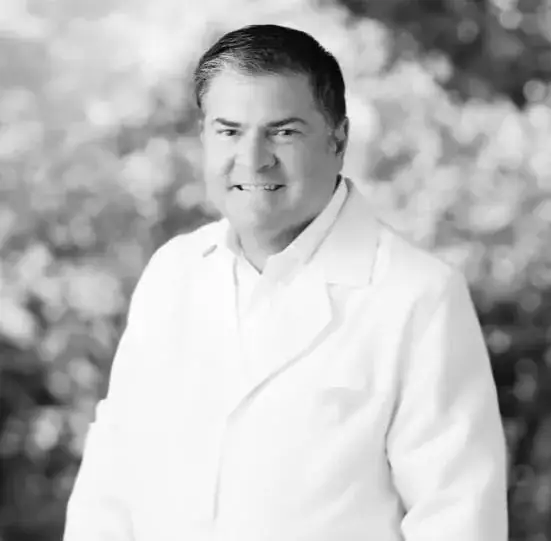
Medically Reviewed By:
Dr. Jose Toledo
Learn More
Frequently Asked Questions about Detox
A drug rehab aftercare program is a structured support system designed to help individuals transition from intensive addiction treatment to a more independent lifestyle. After completing a rehabilitation program, individuals often face challenges as they reintegrate into their daily lives. Aftercare provides crucial resources such as counseling, support groups, life skills training, and connections to community resources to help maintain sobriety and prevent relapse. This continuum of care recognizes that recovery is an ongoing process, and aftercare plays a pivotal role in sustaining the progress made during rehab.
Aftercare serves several essential functions in the addiction recovery process. One primary role is to offer ongoing support to individuals as they navigate the complexities of early sobriety. During this vulnerable time, individuals may confront triggers, stressors, and cravings that can jeopardize their recovery. Aftercare helps bridge the gap between rehab and everyday life by fostering accountability and providing encouragement. It helps build a supportive community, allowing individuals to share their experiences and challenges with peers who understand their journey. Furthermore, aftercare programs often include relapse prevention strategies, education about addiction, and coping techniques, equipping individuals with the tools necessary to maintain their recovery.
Aftercare can encompass a variety of services tailored to meet the specific needs of each individual. Common components of an aftercare program may include:
- Counseling Sessions: Ongoing therapy, either individual or group, to discuss emotional and psychological challenges.
- Support Groups: Regular meetings with others in recovery to share experiences, provide mutual support, and reinforce commitment to sobriety, such as 12-step programs.
- Life Skills Workshops: Training to develop essential life skills, including job readiness, financial management, and effective communication.
- Sober Living Environments: Transitional living arrangements that provide a drug-free environment to support individuals as they adjust to daily life.
- Relapse Prevention Planning: Strategies to recognize triggers and develop healthy coping mechanisms before situations arise.
- Health and Wellness Programs: Encouragement of physical well-being through fitness activities, nutrition, and mindfulness practices.
The relationship between aftercare and relapse prevention is deeply intertwined. Effective aftercare programs place a significant emphasis on relapse prevention strategies, empowering individuals to recognize and respond to the challenges that may lead to relapse. By providing education about the nature of addiction, individuals gain insight into their personal triggers and vulnerabilities. Moreover, aftercare programs often teach practical coping strategies, such as stress management techniques and healthy decision-making skills, to help individuals resist cravings and navigate high-risk situations. Ultimately, aftercare ensures that individuals are not left to face their recovery journey alone, reinforcing their commitment to a healthy, sober lifestyle and significantly reducing the risk of relapse.
My time at Tikvah Lake wasn't just a recovery journey; it was a profound transformation. I feel compelled to share and the positive aspects of this experience, which reframed my entire understanding of substance abuse, addiction, and personality disorders.
Willian W.