

Marijuana Rehab in Florida
- Home
- Substance Abuse
- Marijuana
Key Takeaways
- Marijuana is not always harmless. Repeated use increases the risk of cannabis use disorder, making it hard to quit.
- Modern marijuana has much higher THC concentrations than in the past, making its effects stronger.
- Treatment for marijuana addiction often includes detox support, evidence-based therapy, and treatment for co-occurring mental health conditions.
- Tikvah Lake Recovery offers personalized residential treatment in a luxury setting.
Marijuana
For many people, marijuana is seen as a relatively harmless substance. It’s now legal in many states in the U.S., is widely discussed in popular culture, and often described as “natural.” Because of this, it can sometimes be difficult to recognize when marijuana use has crossed the line from casual use into something more serious.
The reality is that marijuana can become difficult to stop using, even when it begins to interfere with relationships, work, motivation, or mental health. It’s notable that today’s marijuana has three times the concentration of THC compared to 25 years ago, according to the Substance Abuse and Mental Health Services Administration (SAMHSA).
If you or someone you love is struggling with marijuana use, you’re not alone. And help is available.
At Tikvah Lake Recovery, clients receive personalized addiction treatment in a private residential setting designed to support lasting recovery. This article explores how marijuana affects the brain, how dependence can develop, and how professional treatment can help people regain control of their lives.
Learn More
What Is Marijuana?
Marijuana comes from the cannabis plant and contains a chemical called THC (tetrahydrocannabinol). THC interacts with receptors in the brain that influence mood, memory, appetite, and perception. People may use marijuana in several ways, including:
- Smoking
- Vaping cannabis concentrates
- Eating cannabis-infused foods (edibles or gummies)
- Using oils or tinctures (a liquid extract)
While many people use marijuana occasionally without developing addiction, repeated use can affect how the brain processes reward and motivation. The Centers for Disease Control and Prevention (CDC) estimates that 30% of people who use cannabis have cannabis use disorder.
What’s the Difference?
Marijuana Use vs Marijuana Addiction
Not everyone who uses marijuana develops an addiction, but some people do develop cannabis use disorder. The table below compares more controlled marijuana use with signs of marijuana addiction so readers can better understand when casual or repeated use may be turning into a more serious problem.
| Topic | Marijuana Use Without Clear Signs of Addiction | Marijuana Addiction or Cannabis Use Disorder |
|---|---|---|
| Control over use | A person is generally able to decide when to use marijuana and when not to use it without feeling stuck in a pattern. | A person may use more marijuana than intended, keep using it longer than planned, or feel unable to stop even when they want to. |
| Ability to quit | Stopping or cutting back may feel manageable, even if it is not always easy. | A person may try to quit or reduce marijuana use but repeatedly find that they cannot follow through. |
| Cravings | Marijuana use is not usually driven by persistent cravings or a strong preoccupation with using. | Cravings or strong urges to use marijuana may become frequent and hard to ignore. |
| Time spent using | Marijuana does not take up a major share of the person’s schedule, energy, or attention. | A person may spend a lot of time using marijuana, thinking about it, getting it, or recovering from its effects. |
| Impact on daily life | Use may not appear to be causing major problems at work, school, home, or in relationships. | Marijuana use may continue even when it is causing problems with responsibilities, relationships, motivation, or quality of life. |
| Important activities | Social life, hobbies, family time, and daily responsibilities stay relatively intact. | A person may give up or reduce important activities because marijuana use is taking priority. |
| Tolerance | The person is not clearly chasing stronger effects or needing more marijuana to get the same result. | Tolerance may develop, meaning the person needs more marijuana or stronger THC products to feel the same high. |
| Withdrawal symptoms | Stopping use may not lead to significant distress or may cause only mild, short-lived discomfort. | When marijuana use stops, withdrawal symptoms such as irritability, anxiety, sleep problems, or cravings may make it harder to stay stopped. |
| Mental health overlap | Marijuana use may not be closely tied to untreated emotional or mental health struggles. | Addiction may overlap with depression, bipolar disorder, anxiety, or other mental health concerns that need to be treated alongside substance use. |
| Need for treatment | Formal treatment may not feel necessary if marijuana use is not creating clear harm or loss of control. | A person may benefit from detox support, residential treatment, evidence-based therapy, relapse prevention work, and dual diagnosis care. |
Marijuana addiction is not just about how often someone uses cannabis. It is about loss of control, continued use despite harm, cravings, withdrawal symptoms, and the growing impact marijuana has on daily life. Recognizing those signs early can make it easier to seek the right kind of treatment and support.
Marijuana Addiction
When Marijuana Use Becomes a Problem
Marijuana addiction doesn’t always look the same as other forms of substance use. Many people continue working or maintaining relationships while their marijuana use gradually becomes more frequent and harder to control. People also use marijuana for a lot of reasons, including to relax, sleep, manage stress, or escape difficult emotions.
Signs that marijuana use is becoming problematic include:
- Strong cravings
- Loss of motivation
- Using more than intended
- Memory or concentration challenges
- Continuing to use marijuana despite negative consequences
Recognizing these signs and patterns early can make it easier to seek support before the problem becomes more severe.
Tikvah Lake Recovery
How Marijuana Addiction Treatment Works at Tikvah Lake Recovery
Recovery from marijuana addiction often involves more than simply deciding to stop. Many people benefit from a structured environment where they can step away from daily triggers or routines, uncover the reasons behind their substance use, and develop healthier ways to cope with stress and emotions.
Our treatment starts with a detox phase, where clients can clear marijuana from their system with guidance and supervision from our professional team. Detox usually takes several days and is designed to minimize withdrawal discomfort, which may include irritability, sleep difficulties, anxiety, or cravings. After detox, clients transition into structured daily routines that focus on both physical and emotional recovery.
Most people choose the residential program, which typically lasts between 30 and 90 days. We limit our program to just six guests at a time. This is intentional; we want our clients to receive an exceptional level of individualized care. Clients participate in evidence-based therapies, relapse prevention work, and skill-building activities that will support their long-term sobriety. Notably, each client will participate in at least 5 hours of one-on-one therapy per week.
We also offer dual diagnosis treatment because we recognize that marijuana use often occurs alongside challenges such as depression or bipolar disorder. By addressing both substance use and mental health together, clients can build a stronger and more sustainable foundation for long-term recovery.
Join Us For Recovery
The Tikvah Lake Difference: Quality Marijuana Rehab in Florida
Peaceful Setting
Our stunning treatment center is located in a 15,000-square-foot mansion alongside an idyllic lake in Sebring, Florida. Guests can benefit from high-end amenities such as a pool, spa, and boat to find serenity while recovering from their addiction.
Privacy
With a maximum of six guests at a time and individual therapy sessions, Tikvah Lake Recovery Center works hard to ensure discretion for all our guests. That way, you can focus on your own recovery journey.
Luxury Amenities
We work hard to provide a comfortable recovery experience. With a gourmet chef and executive concierge team, our experienced hospitality team provides a five-star experience for your recovery.
Holistic Treatment
We aim to promote healing in our guests’ minds, bodies, and spirits. Our holistic rehab offers a variety of holistic therapeutic practices that can help guests discover new techniques for improving their well-being.
Begin Your recovery Today
Moving Toward Recovery from Marijuana Addiction
Marijuana use can begin casually but gradually become something that feels difficult to control. If marijuana use is starting to affect your motivation, relationships, work, or mental health, it may be a sign that additional support could help.
Recovery is not just about stopping a substance. It’s about understanding the patterns behind use, learning healthier coping strategies that work for you, and rebuilding a life that you deserve.
We provide individualized residential treatment in a small, luxury setting where clients can focus fully on healing. If you or someone you care about is struggling with marijuana use, compassionate and professional help is available. Lasting recovery is possible.
FAQs
FAQs About Marijuana
How long does marijuana stay in your system?
Can someone quit marijuana without professional treatment?
Why do some people become addicted to marijuana but others don’t?
Does marijuana addiction affect mental health?
Get help with recovery costs
We Accept Most Major Insurances



Kind Words About Tikvah Lake
Client Testimonials
I have been to many rehabs and this one by far has been the best I have ever experienced. From admission to after care the staff at Tikvah and Park Manor have went above and beyond for both my wife and myself. The space was immaculate and peaceful. All of my basic needs were taken care of so I could focus on my recovery, relationships, and spiritually.
XavierThe best recovery center I’ve ever been to!!! They helped me change my life in the most positive way! The groups, the therapists, the clinical team, the directors & assessment team & a special shout out to the concierge team, who are with you through & through. The group we were there with will be friends for life as well. I can’t say enough about Lake Tikvah & Park Manor recovery! Go there & have a life changing experience!
Heather I.I just finished 30 days here, and honestly—it changed my life. I came in feeling broken and overwhelmed by trauma, and I’m leaving feeling lighter, stronger, and so much more myself. The staff is amazing—so kind, supportive, and truly there for you... If you’re thinking about getting help, this place is special. I’m walking out with a clear head and a hopeful heart. Thank you to everyone who helped me get here
Julie S.I would highly recommend Tikvah Lake Recovery for anyone seeking high quality care in a luxury environment. The amount of personalized one on one care is unprecedented.
Elisheva K.GET IN TOUCH
Contact Us When You're Ready
If you’re ready to heal, we’re ready to help. Contact our admissions team today for more information or to begin your recovery.
Medically Reviewed By:
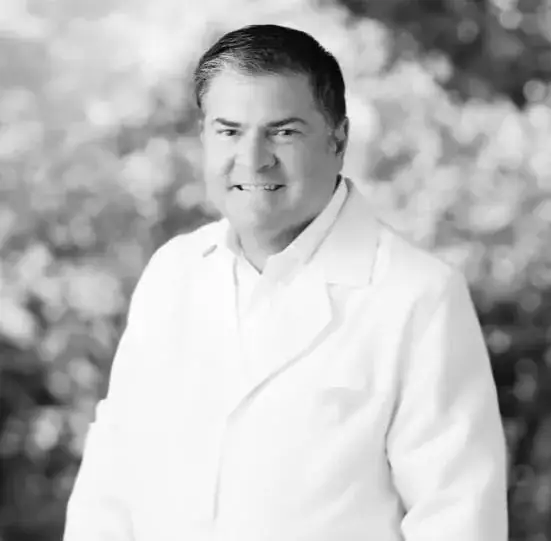
Dr. Jose Toledo
My time at Tikvah Lake wasn't just a recovery journey; it was a profound transformation. I feel compelled to share and the positive aspects of this experience, which reframed my entire understanding of substance abuse, addiction, and personality disorders.
Willian W.